12 Observability Best Practices Modern IT Teams Must Follow in 2026
Introduction
Observability has entered a decisive new phase. In , most enterprises have completed the transition from traditional cloud-native systems to AI-native infrastructure, platforms that continuously learn from telemetry, adapt to changing conditions, and optimize themselves in near real time. In this environment, the monitoring strategies that once defined reliability engineering are no longer enough.
Historically, monitoring focused on uptime, thresholds, and dashboards. If CPU crossed a predefined limit or a server went down, an alert was triggered.
While this approach provided surface-level visibility, it rarely explained why something happened or what to do next. Modern observability, by contrast, is about understanding system behavior deeply and turning that understanding into action.
This shift has led many practitioners to declare that “monitoring is dead.” What they really mean is that passive visibility has lost its value. In 2026, the only metric that truly matters is actionable insight—insight that helps IT teams make faster, smarter decisions before users are impacted.
At the same time, observability brings a new challenge: cost. The explosion of logs, metrics, traces, and events has created what many now call the Observability Tax—the financial and operational burden of collecting, storing, and analyzing massive volumes of telemetry data. Managing this tax without sacrificing visibility has become a strategic imperative for IT teams.
This guide outlines the 12 Observability Best Practices modern IT teams must follow in 2026 to stay resilient, cost-efficient, and competitive.
The 12 Observability Best Practices for 2026
1. Standardize on OpenTelemetry (OTel) Everywhere
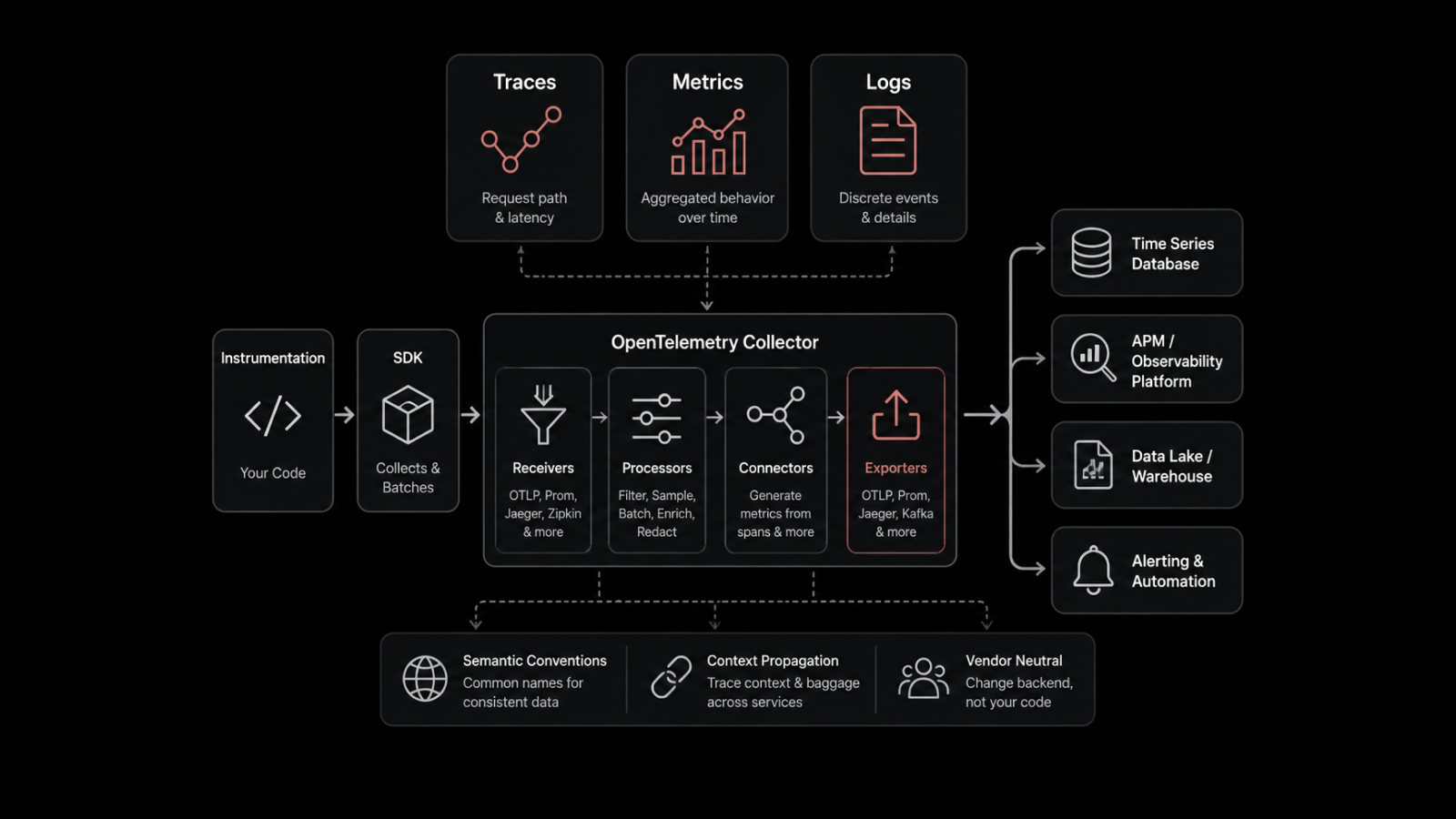
One of the most critical Observability Best Practices in 2026 is the universal adoption of OpenTelemetry, often referred to as OTel.
As IT environments have grown more complex, relying on vendor-specific agents has created fragmented data, inconsistent visibility, and long-term lock-in. Each tool collected telemetry differently, making it difficult for teams to get a unified view of system behavior.
OpenTelemetry solves this problem by providing a single, open standard for collecting logs, metrics, and traces across applications, infrastructure, and cloud platforms.
By standardizing telemetry at the source, IT teams gain flexibility in how and where that data is analyzed. This means tools can be changed without re-instrumenting applications, which saves time and reduces risk.
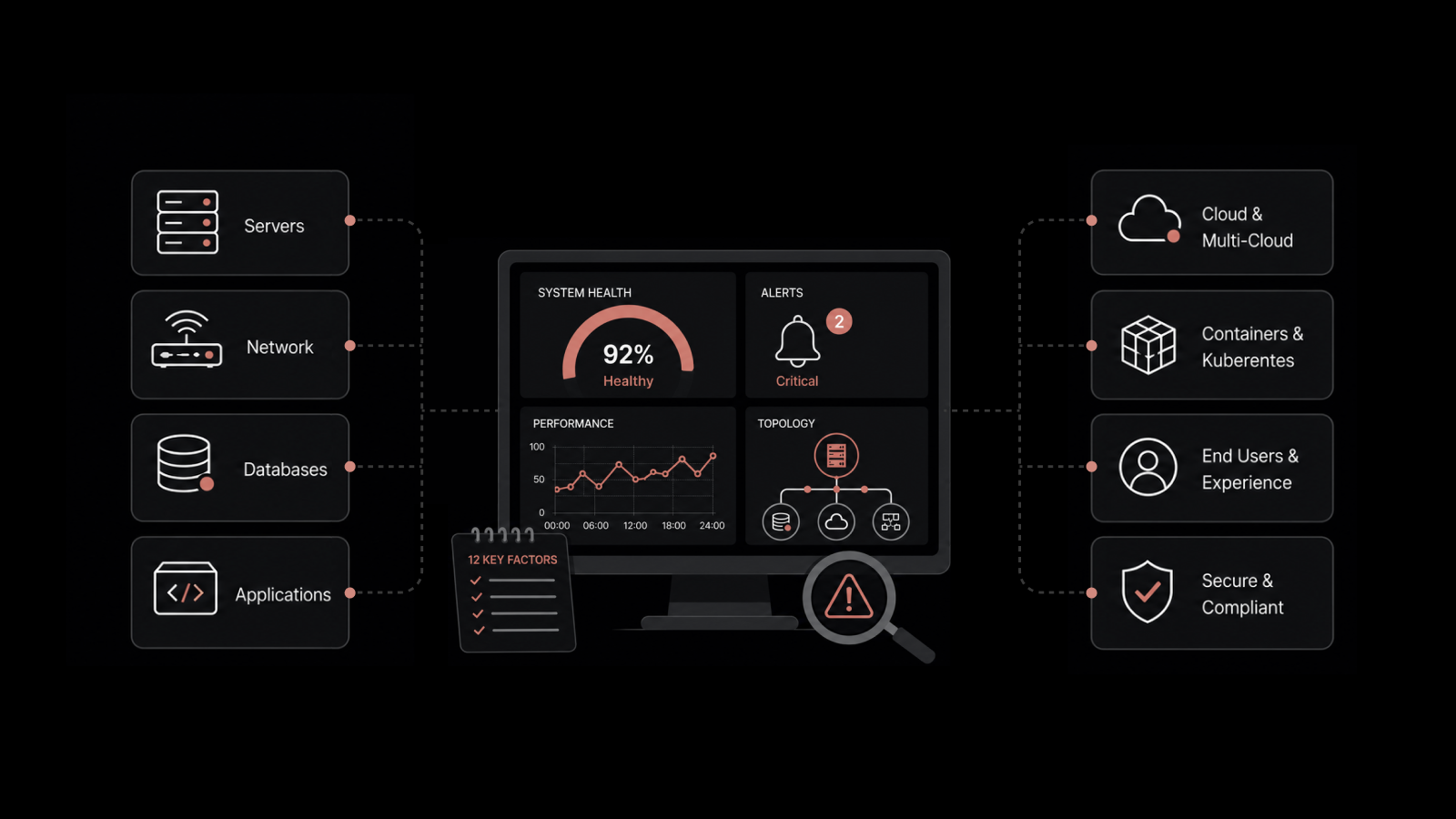
In 2026, this flexibility matters more than ever. Hybrid and multi-cloud environments are common, and teams need consistent observability across them. OpenTelemetry ensures that data looks the same no matter where it comes from, making troubleshooting faster and collaboration easier.
2. Implement Observability-Driven Development (ODD)
Observability is no longer something added after an application goes live. In 2026, leading IT teams adopt Observability-Driven Development, where observability is built into the software from day one.
With this approach, developers think about how an application will be observed while they write code. Logs are meaningful, metrics reflect real behavior, and traces clearly show how requests flow through services. This makes applications easier to understand once they are running in production.
One reason this practice has become more common is the rise of smarter development tools. Modern coding assistants can suggest or automatically generate observability signals based on application logic. This reduces the extra effort developers once faced and helps maintain consistency across teams.
Observability-Driven Development also improves collaboration. When developers understand how their code behaves in production, they can fix issues faster and avoid repeating mistakes. Over time, this leads to more reliable releases and fewer surprises after deployment.
3. Leverage AIOps for Intelligent Noise Reduction
Alert fatigue continues to be one of the biggest challenges for IT teams. As systems grow in scale and complexity, static alert thresholds no longer work. They generate too many alerts, many of which are not actionable.
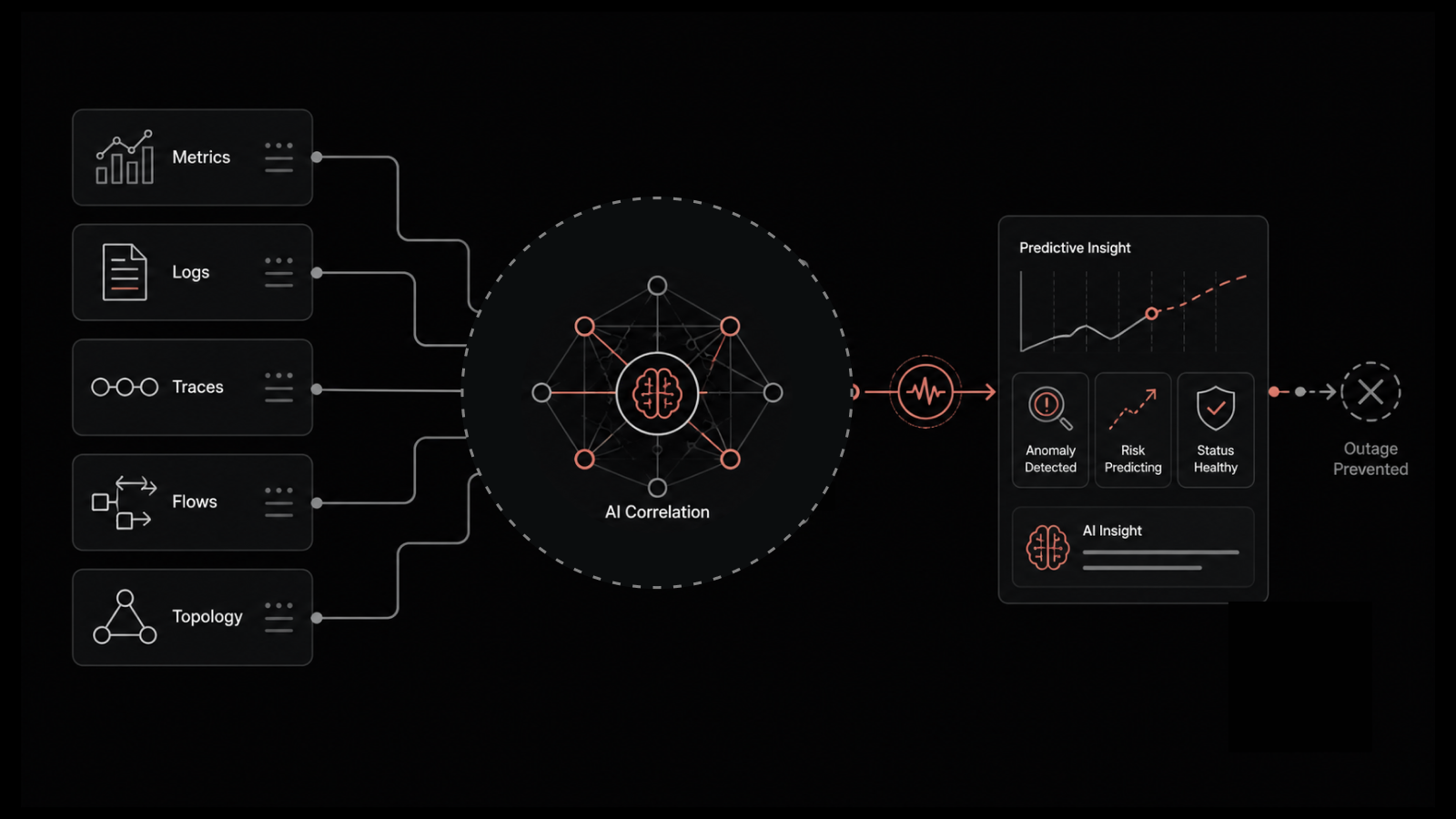
In 2026, modern Observability Best Practices rely on AIOps to reduce this noise. AIOps uses pattern recognition and learning models to understand what normal behavior looks like and adjust alerts accordingly. Instead of reacting to every spike or dip, teams are notified only when something truly unusual happens.
AIOps also helps connect the dots. Rather than sending separate alerts for related symptoms, it groups signals together and highlights the most likely root cause. This saves valuable time during incidents and helps teams focus on fixing the real issue.
4. Prioritize High-Cardinality and High-Dimensionality Data
In modern distributed systems, simple averages and basic metrics no longer provide enough insight. Observability in 2026 depends heavily on high-cardinality and high-dimensional data.
This type of data allows IT teams to understand what is happening at a very specific level. Instead of seeing that a service is slow on average, teams can identify which users, regions, or requests are affected. This level of detail is essential in microservices environments where a single issue can impact only a subset of users.
High-dimensional data also adds context. Metadata such as user type, device, or feature flag can be attached to observability signals. This makes troubleshooting more precise and reduces guesswork.
Without this depth, observability remains reactive. With it, teams can quickly isolate issues, understand patterns, and improve system behavior in a targeted way.
5. Adopt Cost-Aware Observability (The FinOps Link)
One of the fastest-growing Observability Best Practices in 2026 is cost-aware observability. As observability data volumes grow, so do costs. Teams can no longer treat observability as separate from financial impact.
Cost-aware observability connects telemetry data directly to spending. IT teams can see which services, features, or workflows are the most expensive to run. This makes optimization practical rather than theoretical.
By understanding cost at a detailed level, teams can identify inefficient code paths, unnecessary queries, and over-provisioned resources. This helps reduce waste without compromising reliability.
Just as importantly, cost-aware observability creates a shared language between engineering and finance teams. Technical decisions can be explained in terms of business impact, which improves trust and alignment across the organization.
6. Focus on User-Centric Service Level Objectives (SLOs)
In 2026, server uptime alone is no longer a meaningful success metric. Modern IT teams focus on user-centric service level objectives that reflect real user experience.
These objectives measure what users actually feel, such as page load times, responsiveness, error rates, and availability during real usage. This shift helps teams prioritize work that directly improves customer satisfaction.
Error budgets are widely used to support this approach. They define how much risk is acceptable over time and help teams decide when to release changes and when to focus on stability.
By focusing on user-centric SLOs, IT teams align reliability goals with business outcomes. This leads to better decision-making and clearer communication with product and leadership teams.
7. Security Observability: The Convergence of O11y and SecOps
Security and observability have become deeply connected in 2026. The same data used to understand system behavior is also valuable for detecting security risks.
Security observability allows teams to spot unusual patterns, such as unexpected access behavior or abnormal traffic. Because this data is collected continuously, threats can be detected earlier and investigated faster.
This approach also improves collaboration. Operations and security teams work from the same data, reducing blind spots and delays. Instead of reacting after an incident escalates, teams can respond proactively.
The result is a stronger security posture that fits naturally into everyday operations, rather than feeling like a separate process.
8. Embrace GreenOps: Tracking Carbon Footprint
Sustainability has become an important priority for many organizations. In 2026, observability helps IT teams understand and reduce environmental impact.
By measuring energy usage at the workload level, teams can see which services consume the most resources. This enables smarter decisions around optimization, scheduling, and placement.
GreenOps also helps organizations align technology choices with sustainability goals. Observability data provides the evidence needed to track progress and make improvements over time.
9. Decentralized Observability for Edge and IoT
As workloads move closer to users, observability must extend beyond centralized systems. Edge and IoT environments introduce challenges such as limited connectivity and local processing needs.
In 2026, decentralized observability ensures teams maintain visibility even when data cannot always be sent to the cloud. Processing data locally and sending summaries helps balance insight with efficiency.
This approach ensures that edge workloads remain observable without overwhelming central systems. It also helps teams troubleshoot issues closer to where they occur.
10. Automated Incident Remediation (The Closed Loop)
Observing issues is only part of the solution. In 2026, leading IT teams automate responses wherever possible.
Automated remediation allows systems to react immediately to known problems. This might include scaling resources, rolling back changes, or restarting services.
By closing the loop between detection and response, teams reduce downtime and limit user impact. Engineers spend less time firefighting and more time improving systems.
Automation also reduces stress during incidents, especially outside working hours.
11. Governance: Managing the Observability Tax
The Observability Tax is unavoidable, but it can be controlled with strong governance.
Governance ensures teams collect the right data without collecting everything. Sampling strategies reduce volume while preserving insight. Tiered storage keeps recent data easily accessible and older data cost-effective.
Clear data retention rules prevent uncontrolled growth and surprise costs. Together, these practices keep observability sustainable over time.
12. Cultivating a Blameless Observability Culture
Technology alone does not create observability maturity. Culture plays a crucial role.
A blameless observability culture uses data to improve systems, not assign fault. Teams review incidents to learn, not to punish. This encourages openness and continuous improvement.
When developers, operations, and security teams collaborate using shared data, systems become more resilient. Over time, this culture builds trust, reduces burnout, and improves outcomes.
This human element is one of the most powerful and often overlooked Observability Best Practices in 2026.
Choosing the 2026 Observability Stack: What to Look For
Selecting the right observability tool in 2026 requires a modern evaluation lens.
Query-First vs Ingest-First Architectures
Query-first platforms allow teams to explore telemetry flexibly without committing to predefined schemas, reducing waste and unlocking faster insights.
Native AI and LLM Integration
Modern observability tools now support:
Natural language querying (NLQ)
AI-assisted root cause analysis
Automated insight and summary generation
These capabilities lower the skill barrier and accelerate decision-making across IT teams.
Conclusion: The Roadmap to Observability Maturity
Observability in 2026 is very different from what IT teams dealt with just a few years ago. Most organizations have moved beyond basic cloud setups and now run systems that adapt and learn as they operate. These environments are faster, more distributed, and far more complex, which makes traditional monitoring approaches no longer effective.
Earlier monitoring focused on simple checks like whether a server was running or a metric crossed a limit. While useful at the time, these signals rarely explained the real issue. Teams often knew something was wrong but lacked the insight needed to fix it quickly and confidently.
Modern observability fills this gap. It helps IT teams understand how systems behave, why problems occur, and what actions to take next. In 2026, success is not measured by the number of dashboards but by the quality of decisions they enable.
At the same time, managing the growing volume of observability data has become a challenge. This guide explores the 12 Observability Best Practices every IT team should follow in 2026. Read on to see how you can reduce noise, control costs, and turn observability into a real advantage.
FAQs
What are the 4 pillars of observability?
The four pillars of observability are metrics, logs, traces, and events, which together provide a comprehensive understanding of system behavior.
What are the 4 golden signals of observability?
The four golden signals are latency, traffic, errors, and saturation, commonly used to measure service health from the user’s perspective.
Author
Arpit Sharma
Senior Content Marketer
Arpit Sharma is a Senior Content Marketer at Motadata with over 8 years of experience in content writing. Specializing in telecom, fintech, AIOps, and ServiceOps, Arpit crafts insightful and engaging content that resonates with industry professionals. Beyond his professional expertise, he is an avid reader, enjoys running, and loves exploring new places.