AI-Powered ITSM Collaboration Workspaces: How They Boost IT Productivity and Customer Success
Today, nearly 78% of organizations run hybrid cloud infrastructures. More than 65% support SaaS applications, mobile workforces, and cybersecurity frameworks. None of these can tolerate downtime in an environment defined by high competition and continuous demand.
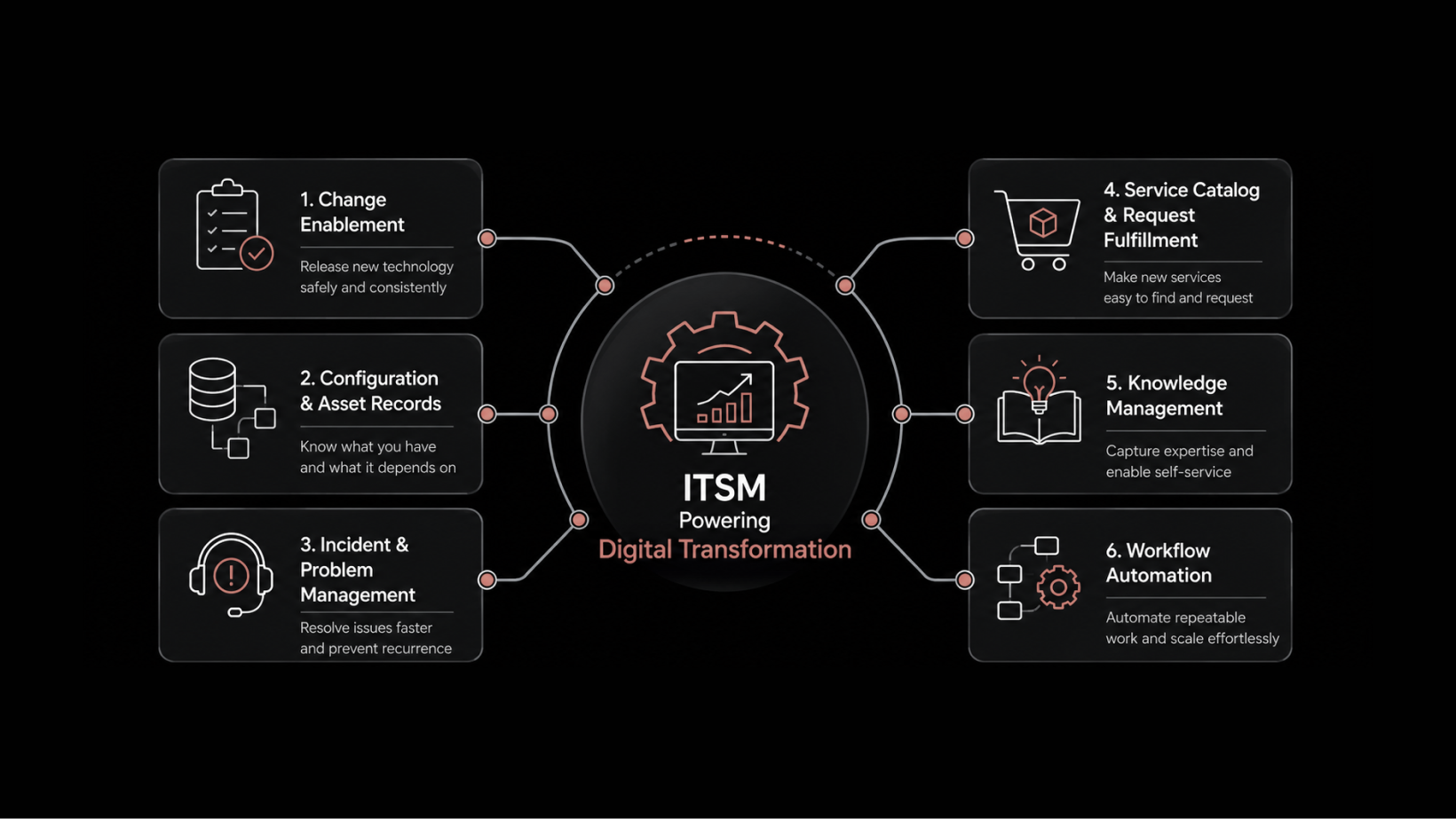
Modern IT environments aren't simple anymore, and manual IT Service Management (ITSM) approaches can't keep up. That's why most organizations are turning to AI-powered ITSM automation. With AI-driven collaboration workspaces, teams work smarter, respond faster, and deliver value on time.
The global enterprise ITSM market is projected to reach USD 22.1 billion by 2028, reflecting rapid adoption of intelligent service management practices. Organizations that continue relying on traditional tools or email-based collaboration risk falling behind. Adopting AI-driven ITSM platforms brings intelligence, automation, and real-time collaboration into a unified experience — reducing manual errors and delivering measurably improved efficiency.
An AI-based ITSM collaboration workspace is a centralized digital platform that uses generative AI, machine learning, and natural language processing to automate IT support operations, enhance team coordination, and deliver intelligent, proactive service management from a single interface.
What Are AI-Based Collaboration Workspaces in ITSM?
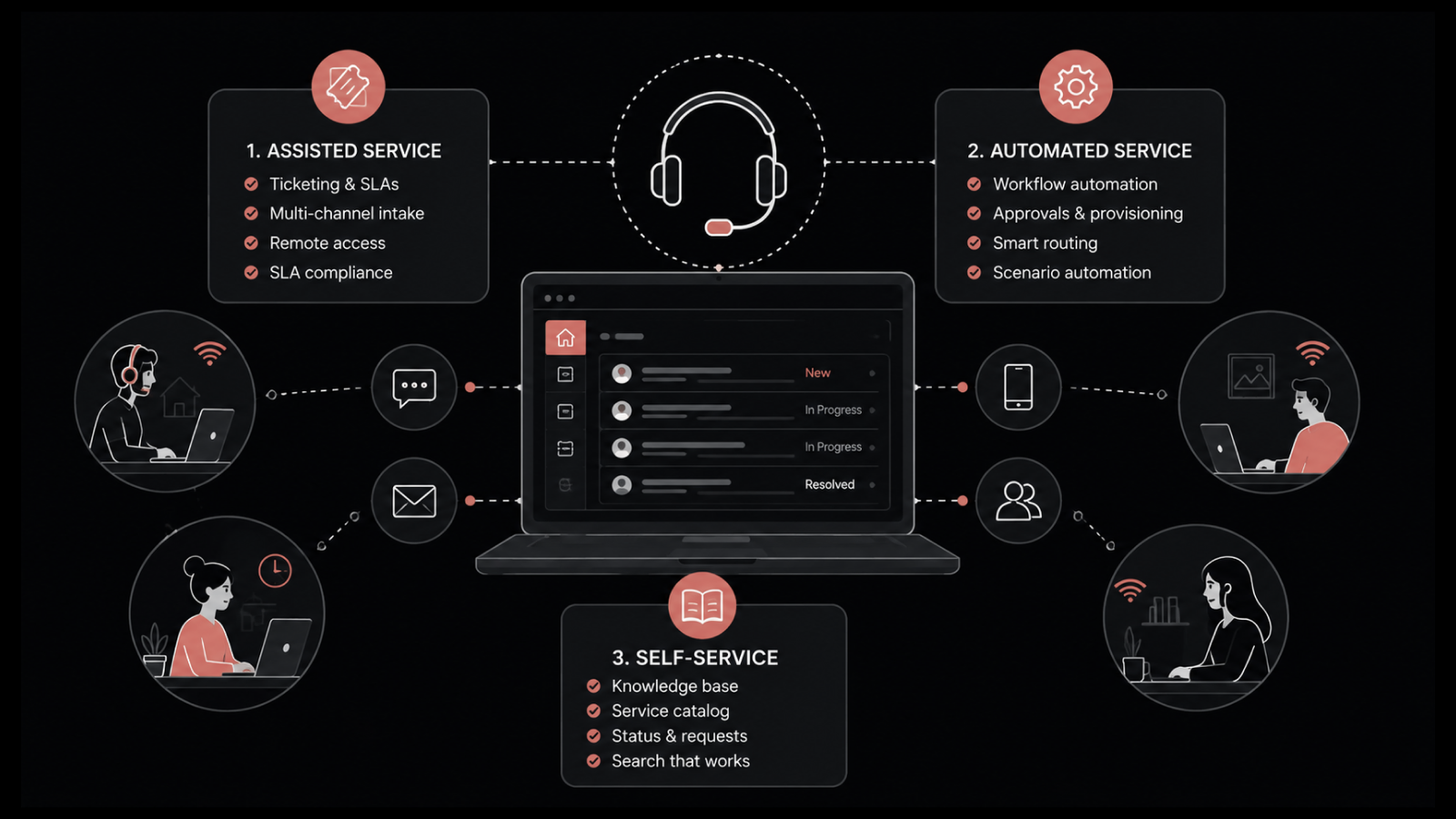
AI-based collaboration workspaces in ITSM are digital platforms that use AI and machine learning algorithms to deliver automated, intelligent IT support environments. In large organizations, managing IT services through manual processes introduces errors, delays, poor user experience, and increased costs. AI-based workspaces solve these challenges by embedding intelligence directly into every operational workflow.
Traditional Tools vs. AI-Powered ITSM Workspaces
Parameter | Traditional Collaboration Tools | AI-Based ITSM Workspaces |
|---|---|---|
Communication | Updates scattered across channels | Centralized within tickets |
Prioritization | Manually set and reactive | AI-driven, risk-based |
Knowledge access | Manual search across systems | AI-suggested articles and steps |
Automation | Limited, rule-based | End-to-end workflow automation |
Incident routing | Manual triage and assignment | Intelligent auto-categorization |
Reporting | Static, periodic reports | Real-time dashboards with predictions |
How AI Enhances Traditional ITSM Collaboration
Traditional ITSM tools primarily tracked and managed IT functions. Thinking and taking action were still the IT team's responsibility.
With AI, the dynamic changes completely. The system doesn't wait for human input — it reads context, analyzes patterns, and takes appropriate action. AI enhances traditional collaboration by adding automation, predictive intelligence, and natural language processing. These capabilities transform IT support from reactive to proactive.
When a ticket is created, AI runs real-time analysis, assigns it to the correct category based on priority, and routes it to the appropriate team. Traditional tools relied on manual sorting and guesswork, which led to misrouting, errors, and delays.
AI also identifies patterns across incidents and suggests optimal resolution paths. Beyond analysis, AI-powered workflows handle repetitive tasks — ticket routing, approvals, follow-ups — automatically in the background, freeing team members to focus on complex problem-solving.
How AI ITSM Workspaces Improve Productivity
IT service management productivity isn't just about faster results. It's about reducing manual intervention and enabling teams to focus on complex, high-value work.
Faster Incident Resolution Through Intelligent Automation
When a user creates a ticket, AI models automatically initiate issue analysis, assign the correct category and department, and highlight priority level. For known issues, AI triggers automated fixes or surfaces the required resolution steps. This reduces resolution time and improves IT service desk productivity across the board.
Streamlined Communication Across IT Teams
Instead of relying on email threads or chat tools, AI ITSM workspaces centralize conversations within the ticket itself. The full context — updates, data, resolution history — lives in one place. This eliminates repetitive explanations, reduces misunderstandings, and accelerates cross-team coordination.
AI-Assisted Knowledge Access
Searching across tabs to find technical documentation or troubleshooting steps is a thing of the past. AI automatically suggests relevant guides, knowledge articles, and resolution steps based on the ticket context. This provides accurate information instantly and accelerates diagnosis.
Eliminating Repetitive Tasks With Workflow Automation
With workflow automation, team members don't spend hours performing the same actions while trying to avoid mistakes. AI-based ITSM workspaces automatically execute routine service requests and background processes, allowing technicians to focus their energy on larger, more complex issues.
Smarter Task Prioritization
AI evaluates urgency and business risk through thorough analysis, then prioritizes tickets accordingly. High-risk issues are surfaced and resolved early, improving consistency and eliminating security gaps that arise from poor prioritization.
How AI Workspaces Drive Customer Success
In IT service management, resolving issues alone doesn't guarantee customer success. Speed, accuracy, consistency, and transparency all factor into the customer experience.
Faster, More Accurate Support
When departments and teams receive customer queries instantly through intelligent routing, they can offer relevant solutions without delay. AI ensures customers don't wait for requests to reach the right hands — and they receive correct solutions on the first attempt.
Improved First-Contact Resolution (FCR)
With access to AI-generated suggestions, knowledge articles, and resolution guides, service agents resolve issues during the first interaction more consistently. Customers need fewer follow-ups, which reduces effort for both customers and IT teams.
Proactive, Personalized Customer Experiences
AI ITSM workspaces predict issues before they occur by analyzing past interactions and usage patterns through machine learning. With these insights, AI notifies customers proactively or resolves emerging problems before they impact the user experience. This predictive capability builds the trust that drives long-term retention.
Transparent Service Delivery
AI ITSM enables customers to track ticket status and monitor progress in real time. This transparency builds trust and strengthens customer relationships — turning service delivery from a cost center into a competitive advantage.
What Makes AI Workspaces Effective: A Deep Dive
Centralized Communication Threads
Instead of searching for scattered updates across different channels, AI workspaces consolidate all insights, updates, and discussions in a single dashboard. Everyone stays on the same page throughout the resolution process.
Role-Based Insights and Contextual Information
Whether you're on the support team, operations task force, or business administration, AI workspaces present the same information in a unified console. This reduces information overload while providing enough context for informed decisions at every level.
AI-Powered Cross-Team Collaboration
AI recommends subject matter experts and suggests next steps based on past incidents and resolution patterns. This removes guesswork from escalation decisions and speeds up resolution for complex, multi-team issues.
Integrated Asset, CMDB, and Monitoring Data
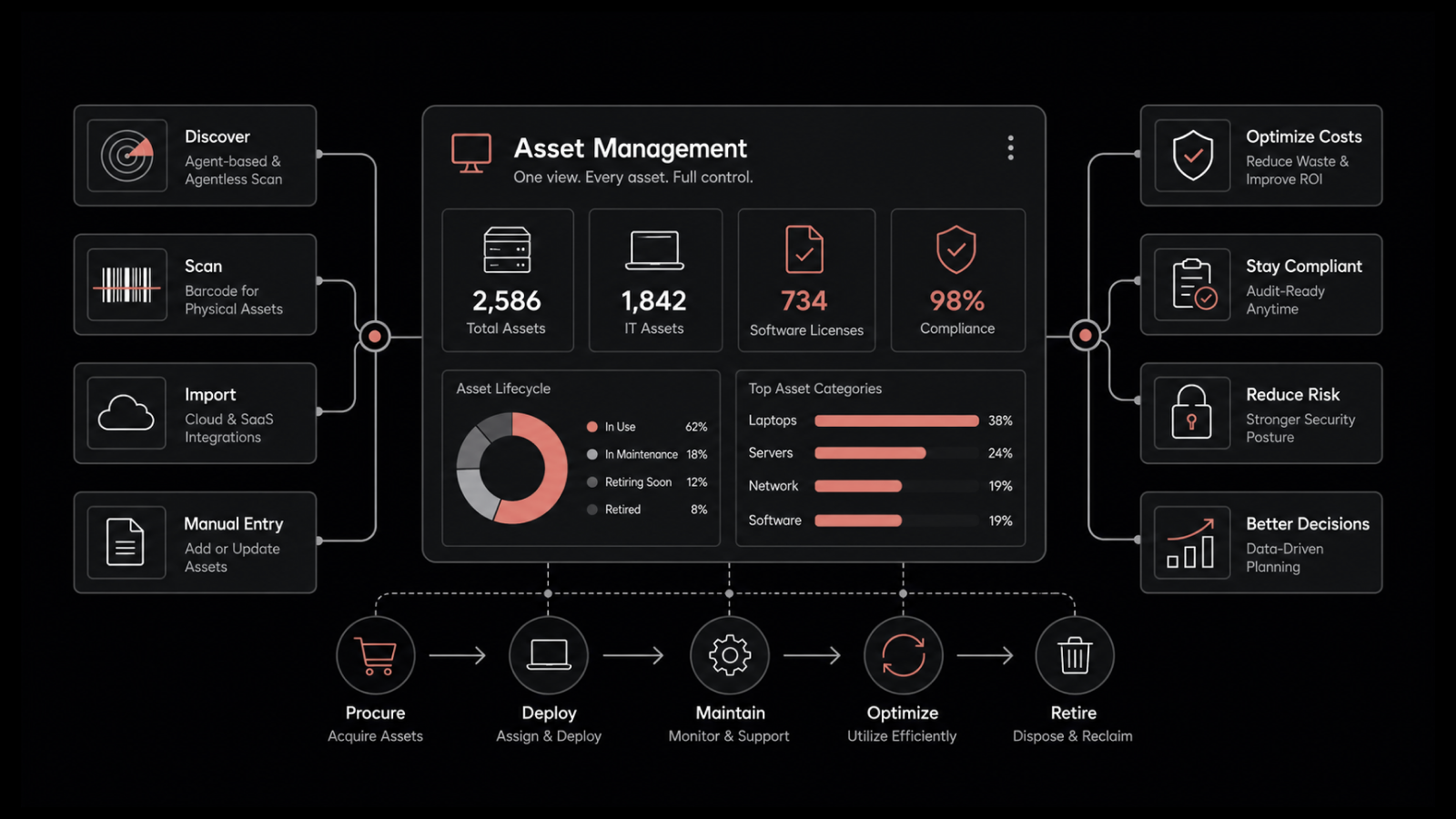
AI ITSM workspaces integrate with existing IT asset management, CMDB, and monitoring tools. When everyone works with the same accurate, real-time data, collaboration becomes smoother, faster, and more effective.
Impact on Key IT and Business Metrics
AI-powered IT service operations deliver measurable improvements across critical metrics:
Reduced MTTR (Mean Time to Resolve): Intelligent monitoring, automated incident detection, and guided remediation identify and resolve issues faster, helping reduce MTTR significantly.
Improved SLA Compliance: Enhanced visibility and proactive alerts increase SLA compliance rates by catching potential breaches before they escalate.
Higher Employee Productivity: Automation and centralized workflows reduce repetitive tasks and manual errors, lowering operational costs while improving output.
Increased Customer Satisfaction: Faster resolutions and reliable service create better experiences. Consistent quality builds trust, driving higher retention and customer lifetime value.
How Motadata ServiceOps Supports AI-Driven Collaboration
Motadata ServiceOps connects people, processes, and technology in a unified, intelligent workspace. Rather than switching between separate tools for helpdesk, tracking, and monitoring, ServiceOps provides a centralized platform that handles everything — from day-to-day support to AI-powered analysis and predictions.
Unified ITSM Platform With Embedded AI
AI isn't an add-on to Motadata ServiceOps — it's built into the platform core. Machine learning algorithms prioritize and analyze incoming tickets, draw from historical incidents to suggest optimal resolutions in real time, and match issues with the best-qualified technicians for rapid resolution.
Automated Workflows and Smart Suggestions
ServiceOps automates repetitive tasks through intelligent workflows and smart suggestion functionality. Teams no longer wait for routine approvals or manual notifications. The automation smooths workflow execution and eliminates bottlenecks that slow service delivery.
Real-Time Collaboration Across IT Functions
Miscommunication was a common challenge when IT systems lacked coordination. With ServiceOps, service desk agents, network operators, and security teams all view live ticket context and updates in real time — ensuring every team member operates from the same information.
Integrated ITAM, CMDB, and Self-Service Portal
ServiceOps integrates with ITAM to bring asset details, system relationships, and user requests together in one place. IT teams see what devices they have, how systems are connected, and what users are requesting — from a single platform. This unified view accelerates root-cause analysis and improves decision quality.
Dashboards, Insights, and Predictive Intelligence
Team leaders gain deeper visibility into performance trends and potential future issues. Real-time dashboards track key metrics while predictive intelligence helps teams take preemptive action — improving service delivery through data-driven decisions.
Book a demo or start a free trial to see how Motadata ServiceOps transforms your IT service operations.
FAQs
What is an AI-based collaboration workspace in ITSM?
An AI-based ITSM collaboration workspace is a centralized platform that uses generative AI, ML, and NLP to improve communication and coordination among IT teams. It supports automation and predictive intelligence that improves overall performance and IT service desk productivity.
How does AI help reduce ticket resolution time?
AI analyzes and categorizes issues in real time, automates fixes for known problems, sets intelligent prioritization, and surfaces historical solutions. It cuts down manual errors and ensures tickets are resolved faster through data-driven routing and resolution suggestions.
Can AI really improve customer success in ITSM?
Yes. AI-powered ITSM workspaces improve customer satisfaction through faster resolutions, transparent ticket tracking, proactive issue prevention, and consistent service quality. Fewer errors and faster response times directly contribute to customer retention and trust.
Do AI workspaces replace IT technicians?
No. AI workspaces eliminate repetitive tasks and provide real-time insights, allowing IT technicians to work more efficiently and focus on areas that require human judgment, creativity, and strategic thinking.
Does Motadata ServiceOps offer AI-based collaboration features?
Yes. Motadata ServiceOps provides an AI-driven collaboration workspace with embedded automation, intelligent insights, and unified ITSM capabilities. It's a trusted platform that helps organizations overcome operational challenges and deliver measurable customer success.
Author
Arpit Sharma
Senior Content Marketer
Arpit Sharma is a Senior Content Marketer at Motadata with over 8 years of experience in content writing. Specializing in telecom, fintech, AIOps, and ServiceOps, Arpit crafts insightful and engaging content that resonates with industry professionals. Beyond his professional expertise, he is an avid reader, enjoys running, and loves exploring new places.