Sumo Logic Pricing in 2026: Plans, Costs, and Alternatives
If you are comparing log analytics or SIEM tools, you have probably come across Sumo Logic.
It brings logs, metrics, and traces together in the cloud for security monitoring and troubleshooting.
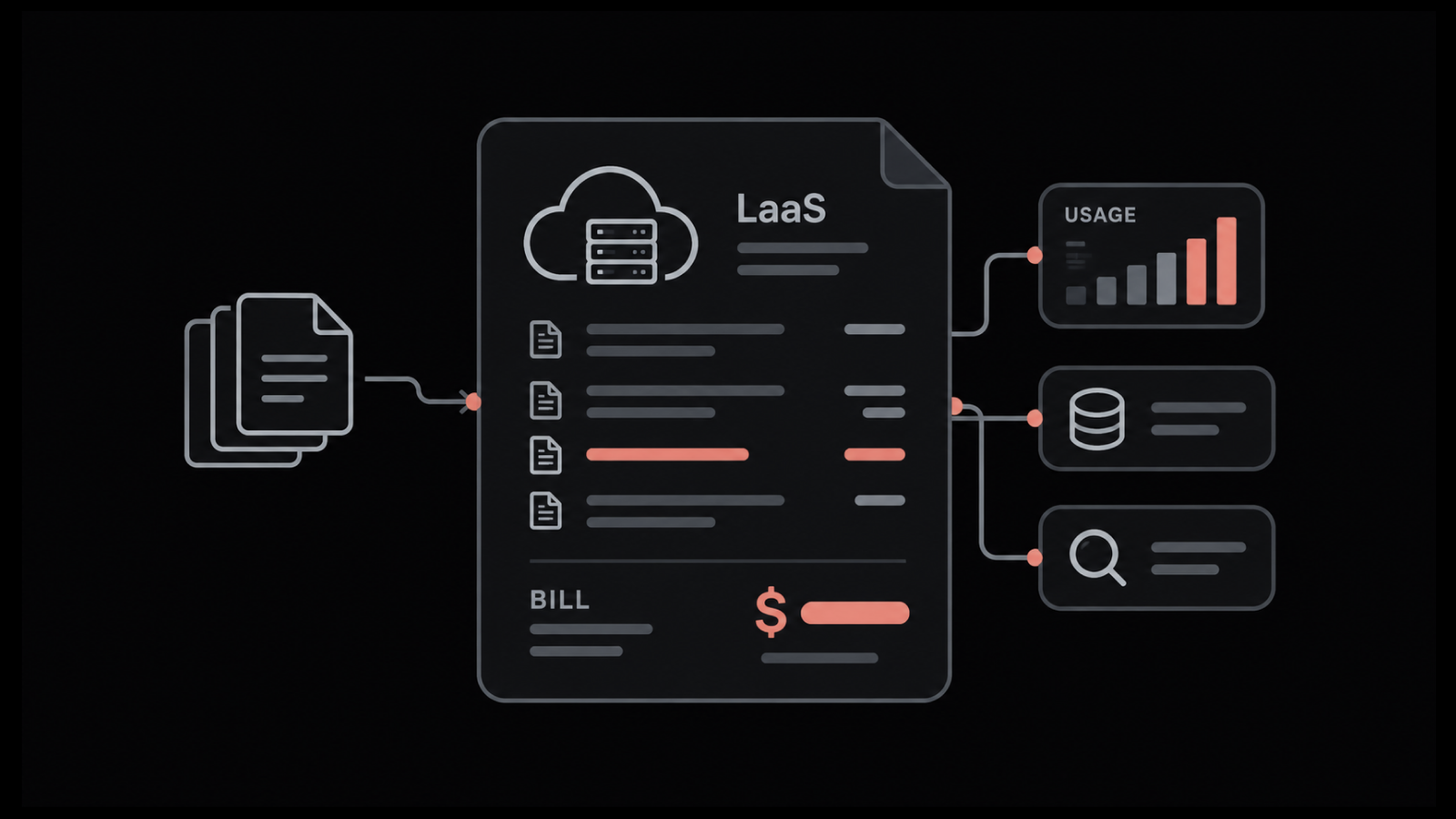
The interesting part is how Sumo Logic charges. You are not billed for the amount of data you send.
Instead, your cost is based on how much data you search and use in dashboards.
Sumo Logic also uses credits rather than a fixed plan price, so what you spend depends on the services you use.
In this guide, we will break down the two Sumo Logic packages, explain how credits and Flex pricing work, and help you get a clear idea of what Sumo Logic could cost for your setup in 2026.
Let's look at what you will actually pay for Sumo Logic in 2026.
Sumo Logic Pricing at a Glance
If you are short on time, here is the structure before the detail.
Plan | Billed by | Best for | Price |
Essentials | Credit Tiers | Small and mid-sized DevOps and SecOps teams | Quote, or up to $25,000 by credit card |
Enterprise Suite | Credit Tiers or Credit Flex | Security teams that need a SIEM | Quote only |
Note: Sumo Logic publishes no price for either plan. Both include a 30 day free trial.
The most important thing to know is what you actually pay for. On Flex pricing, sending data in costs nothing. Your bill comes from scan volume, which is the amount of data your searches read.
The Flex calculator puts that at about $3.14 per TB scanned in the US region on the lowest usage profile. The rate changes with your profile and the region you pick.
Neither plan charges you per user. Essentials and Enterprise Suite both come with unlimited users, so putting your whole team on the platform does not raise your bill.
The table cannot show you one thing, and that is your own price. Sumo Logic does not publish plan prices, so what you pay comes from a quote based on your volume, your retention, and the products you switch on.
What is Sumo Logic?
Sumo Logic is a cloud-based log analytics and security platform. It collects logs, metrics, and traces from your systems, then lets you search and alert on them from one place.
It is used by more than 2,500 companies, including Samsung, Grammarly, Alaska Airlines, and Dolby. The platform runs as a service, so there is nothing to install or maintain on your side.
It covers two main jobs. On the security side you get a cloud-native SIEM, threat detection, and Cloud SOAR for automated response. On the operations side you get log management, infrastructure monitoring, application monitoring, and tracing.
Teams pick it for two reasons. Your whole team can log in without adding to the bill, and there are no servers to run because Sumo Logic handles all of that.
The thing to check is the billing model. Your cost follows how much data your queries read, so two teams sending the same amount of data can pay very different amounts.
How Sumo Logic Pricing Works
Sumo Logic pricing comes down to three choices: the plan you buy, how you want to be billed, and how much data your searches read.
The plan decides your features. Essentials covers log analytics and troubleshooting, while Enterprise Suite adds the SIEM, Cloud SOAR, and enterprise support.
Then you choose between two ways of paying. With Credit Tiers, you pay for the data you send in. With Credit Flex, sending data in is free and you pay for the searching you do.
Your usage decides the final pricing. On Tiers that is your daily volume. On Flex it is your scan volume, which is how much data your queries read each month.
What is a Sumo Credit?
Credits are the part that confuses most buyers, so here is what they mean.
A credit is the unit Sumo Logic bills in. Instead of licensing each product on its own, you buy one pool of credits and spend it across whichever capabilities you have configured.
You are only charged when something is switched on and used. Sumo Logic does not charge overage penalties for usage spikes, so a busy week shows up in your dashboard rather than as a surprise on your bill.
Tracking happens in real time. You can see credit use as it happens rather than waiting a day for the figures to catch up.
Sumo Logic Pricing by Package
Sumo Logic sells two packages and puts no price on either one. It does publish what sits inside each, and the differences are large, so check them before you ask for a quote.
What you get | Essentials | Enterprise Suite |
Licensing options | Credit Tiers | Credit Tiers or Credit Flex |
Data tiers available | Continuous | Continuous, Frequent, Infrequent |
SIEM | Not available | Included, activation required |
Log capacity | Unlimited | Unlimited |
Metrics capacity | Up to 50,000 DPM a day | Unlimited |
Tracing capacity | Up to 5 GB a day | Unlimited |
Log retention | Up to 365 days | You decide |
Log and metric monitors | 300 and 500 | 1,000 and 500 |
Support | Standard, 8x5 | Enterprise, 24/7 for P1 |
Premium support | Not available | Optional add-on |
Note: DPM means data points per minute, counted in thousands. It is how Sumo Logic measures metrics rather than by GB.
Sumo Logic Essentials
Essentials is the entry package, built for small and medium DevOps and SecOps teams that need to investigate and troubleshoot as things come up.
You get log analytics with unlimited log capacity and unlimited users, retention up to 365 days, and 8x5 support. Mobot, the AI assistant, is included at 10 prompts per user each day, along with the Sumo Logic MCP Server for connecting your own AI tools.
The caps are on metrics and tracing rather than logs. Metrics are capped at 50,000 DPM a day and tracing at 5 GB a day, so a team leaning heavily on either will run into those ceilings.
You can also buy this one without talking to sales. Sumo Logic lets you pay by credit card up to $25,000 through self-serve checkout during a trial.
Sumo Logic Enterprise Suite
Enterprise Suite is the security package. It adds the cloud-native SIEM, Cloud SOAR, and the tools a growing security team needs for real-time detection and response.
The SIEM brings the Insight Rules Engine with more than 900 rules out of the box, MITRE ATT&CK coverage mapping, UEBA behavioral models, and premium threat intelligence from CrowdStrike and Intel471. The SOC Analyst Agent investigates alerts on its own and hands your analysts evidence-backed findings.
The caps also come off. Metrics and tracing become unlimited, you set your own retention, and log monitors rise from 300 to 1,000.
Support steps up as well. You get 24/7 cover for P1 issues, with a named Technical Account Manager available as a paid add-on.
Sumo Logic Flex Pricing
Flex is the pricing model that makes Sumo Logic unusual, and it is only available on Enterprise Suite. Sending data in costs nothing, and you pay for scan volume instead.
A scan happens whenever a query reads your log data, which includes log searches, dashboards, and monitors. Scan volume is the total amount of data those queries read across the month.
Sumo Logic groups customers into three usage profiles based on how heavily they search each GB they send in.
Usage profile | Scans per GB sent in | Who it fits |
Low | 500 to 750 | Ad-hoc investigation, compliance, audit readiness |
Medium | 750 to 1,500 | Real-time analytics for apps and security |
High | 1,500 to 2,000 | Enterprise-wide analytics and AI-driven detection |
Note: the calculator shows about $3.14 per TB scanned for the low profile in the US region. The rate changes with your profile and the region you pick.
The region matters as well as the profile. You can store data in the US, Montreal, Dublin, Frankfurt, Sydney, or Tokyo, and Sumo Logic states that pricing varies with the region you choose.
Think about how your team works before you switch. Sending data free saves you real money if you collect a lot and search a little, but dashboards and alerts running all day push the scan volume up, and that is what you are paying for.
Sumo Logic Data Tiers
If you go with Credit Tiers rather than Flex, your data goes into one of several tiers. The tier it goes into decides what that data costs to keep and search.
Continuous is the standard tier and the only one available on Essentials. It suits data you search often, such as the logs behind your live dashboards and alerts.
Frequent and Infrequent are the cheaper tiers on Enterprise Suite. They are built for data you keep for compliance or occasional investigation rather than daily use.
SIEM is its own tier on the Enterprise Suite. Security data goes there so it can feed the rules engine and detection tools.
Choosing tiers well is where teams save money. Moving rarely searched data into a cheaper tier is the main way to cut a Tiers bill, just as controlling scan volume is the main way to cut a Flex bill.
What Sumo Logic Costs at Different Sizes
Sumo Logic publishes no plan prices, so the table below works from the Flex calculator instead. These figures are estimates, so your own numbers will vary.
Setup | Data sent in per day | Estimated monthly cost |
Small | 10 GB | ~$471 |
Growing | 100 GB | ~$4,710 |
Large | 500 GB | ~$23,550 |
Note: these figures use $3.14 per TB scanned, 500 scans per GB, and a 30 day month in the US region. A higher scan rate, a different profile, or another region will change them.
The small-team estimate covers 10 GB a day. At 500 scans per GB that is 150 TB scanned in a month, which lands near $471 before anything else is switched on.
The growing-team estimate covers 100 GB a day, which works out to 1,500 TB scanned a month and roughly $4,710. This is the point where how often your dashboards refresh starts to matter as much as how much data you collect.
The large-team estimate covers 500 GB a day at about $23,550 a month. Notice that this sits just below the $25,000 self-serve limit, so most companies at this size are buying through sales rather than a credit card.
Watch the scan multiplier here. Double your searching and you double your bill, even if you send in exactly the same amount of data.
What Increases Your Sumo Logic Costs
Five things raise a Sumo Logic bill above the starting figures.
Scan volume: On Flex, every dashboard refresh, scheduled search, and monitor reads data and adds to your total. This is the main thing that moves your bill.
Your usage profile: The low profile scans each GB about 500 times and the high profile scans it up to 2,000 times. That is four times the scan volume on exactly the same data.
Retention: Sumo Logic charges to keep data stored, and you set retention for each source, so longer retention means a higher storage line.
Turning on more products: The SIEM, Cloud SOAR, and the SOC Analyst Agent all draw from the same credit pool, and each needs activation with minimum volume or user requirements.
Your region: Sumo Logic states that pricing varies by deployment region, so storing data in Sydney or Frankfurt does not always cost what it costs in the US.
In the end, your Sumo Logic bill comes down to how much your queries read, how long you keep data, and which products you switch on. It works best for teams that search when they need to rather than leaving heavy dashboards running all day.
Sumo Logic User Reviews: What Teams Actually Say
We went through Sumo Logic reviews on G2, TrustRadius, and other review sites to see what users actually think about the platform. The feedback is largely positive on ease of use and search speed, with cost predictability as the common complaint.
Users often praise how quickly they get started. Because it is a cloud service with a large app catalog, reviewers say they had data flowing and dashboards running without setting up any infrastructure.
Unlimited users gets plenty of praise too. Teams like giving developers and analysts access without checking a seat count first, and few tools in this category allow that.
The main concern is working out the cost in advance. Reviewers say the credit model takes effort to model, and that the bill can move in ways that are hard to predict before you have a few months of history.
The query language is the other theme. Some reviewers find it powerful once learned, while others say new team members take a while to get comfortable writing searches.
These are the patterns we found in user reviews. Your own experience can vary based on your data volume, your retention settings, and how heavily your team searches.
Top 5 Sumo Logic Alternatives to Consider
The table below lays out five alternatives side by side, so you can match one to your need.
Tool | What it is | Pricing model | Why pick it over Sumo Logic |
Full monitoring and observability platform | One quote for your setup | You get network, infrastructure, and app monitoring in one price, with no scan volume to watch | |
Datadog | Full-stack SaaS observability | Per host and per product | You want broad managed coverage and a large integration library |
Splunk | Log analytics and enterprise SIEM | By data volume or workload | You want the most established SIEM and can afford it |
Elastic | Search-based observability and security | By resource use, self-hosted or cloud | You want the option to run it yourself and control the cost |
Microsoft Sentinel | Cloud SIEM from Microsoft | Per GB analyzed | You already run Microsoft 365 and Azure across the business |
How Motadata Keeps Monitoring Costs Easy to Plan
Sumo Logic is strong at log analytics and security, but it has two downsides for many teams. The bill moves with how much your team searches, and the platform does not cover network and infrastructure monitoring. Motadata handles both.
The pricing works differently here. Instead of counting scan volume and credits, you get one clear quote for your whole setup. That price stays the same as you grow, so there is nothing to watch each month.
The coverage is also wider. Motadata handles network monitoring, infrastructure, flows, and device health, along with logs, metrics, and traces, so you can see what broke and why in one place.
There is also less to manage. Motadata runs in the cloud or on your own servers, and the day-to-day running is handled for you.
The AI comes with the platform. It spots unusual patterns and links related alerts on its own, with no training needed.
Is Sumo Logic the Right Choice?
Sumo Logic is a strong fit for teams that want cloud log analytics and security in one place, and that would rather manage their searching than manage servers.
Sumo Logic Works Best For
Sumo Logic is a strong fit for:
Security teams that want a cloud SIEM without running the infrastructure
Organizations that need to give many people access, since neither plan charges per user
Teams that collect a lot of data but search it selectively
Companies that want log analytics and SIEM from the same vendor
Businesses needing PCI, SOC 2, HIPAA, or ISO compliance coverage
Teams that want AI help investigating alerts through the SOC Analyst Agent
Smaller buyers who want to start on a credit card rather than a sales call
These are the teams Sumo Logic fits best. Free data sending and unlimited users work well for organizations with large log volumes and a security use case to justify the platform.
Sumo Logic May Not Be the Right Fit For
The limits of Sumo Logic are mostly about cost planning and scope, not what it can do. Because the bill follows search activity and no prices are published, it can fall short for some teams.
Sumo Logic may not be enough for:
Teams that want a published price they can budget from before talking to sales
Buyers who run heavy dashboards and would face high scan volume
Organizations that need network and infrastructure monitoring in the same tool
Teams on Essentials that need more than 50,000 DPM of metrics a day
Companies that want AI and correlation included rather than needing activation
Buyers who prefer software they host themselves for data residency reasons
Teams that want one predictable price rather than a bill that changes each month
So it comes down to what you need. If you want cloud log analytics with a SIEM attached and your team searches carefully, Sumo Logic is a strong choice. If you want one clear price for full monitoring with AI included, take a look at Motadata.
Conclusion
Sumo Logic’s pricing model is easy to follow, but the actual cost is hard to know because neither plan has public pricing.
You pay based on how much data your queries scan, with your quote depending on usage, retention, and the products you choose.
That can work well for teams that want cloud-based monitoring without per-user fees.
Motadata is worth considering if you prefer a more predictable pricing model for monitoring and observability.
The right choice depends on your data volume, monitoring needs, and budget.
FAQs
How Much Does Sumo Logic Cost?
Sumo Logic does not publish plan prices. Both Essentials and Enterprise Suite are quoted based on your volume, retention, and the products you activate. The Flex calculator estimates about $3.14 per TB scanned in the US region on the low usage profile, and you can buy up to $25,000 of credits by credit card.
Does Sumo Logic Have a Free Trial?
Yes. Sumo Logic offers a 30-day free trial with full access to the self-serve plans. You can upgrade from inside the trial with a credit card rather than going through sales.
How Does Sumologic Pricing Work?
You buy a pool of Sumo Credits and spend them across the parts of the platform you turn on. With Credit Tiers, you pay for the data you send in and the tier it goes into. With Credit Flex, sending data in is free and you pay for your scan volume instead.
What Is a Sumo Credit?
A credit is the unit Sumo Logic bills in. Rather than licensing each product on its own, credits give you one flexible pool that applies across the platform. Credits are used as capabilities are used, there are no overage penalties for spikes, and tracking is real time.
What Is Sumo Logic Flex Pricing?
Flex is the Enterprise Suite model where sending data in costs nothing and you pay for scan volume. A scan happens whenever a query reads your log data, including searches, dashboards, and monitors, so your bill follows how heavily your team searches.
What Is the Difference Between Essentials and Enterprise Suite?
Essentials covers log analytics with 8x5 support, 365 day retention, and caps of 50,000 DPM for metrics and 5 GB a day for tracing. Enterprise Suite adds the SIEM, Cloud SOAR, the SOC Analyst Agent, unlimited metrics and tracing, retention you set yourself, and 24/7 support for P1 issues.
What Are the Hidden Costs of Sumo Logic?
The main ones are scan volume from dashboards and monitors that run all day, storage charges tied to your retention settings, activation requirements on the SIEM and Cloud SOAR, premium support as a paid add-on, and pricing that varies by deployment region.
How Does Motadata Compare to Sumo Logic?
Sumo Logic is a cloud log analytics and SIEM platform billed on credits and scan volume. Motadata is a monitoring platform covering network, infrastructure, and applications on one quote, with AI included, so it is a simpler option to plan for and it watches your network as well.
Author
Poonam Lalani
Content Strategist
Poonam Lalani is a B2B content strategist and writer with a background in computer engineering and experience across enterprise technology domains, including AI, cloud, DevOps, data engineering, and IT operations. She specializes in creating research-driven content that simplifies complex ideas and supports product education, thought leadership, and business growth.