Achieving Business Continuity with Managed IT Services and Cloud Security Solutions
Arpit Sharma
Introduction
The digital world is evolving rapidly, and businesses must always stay up and running. Any disruption—from cyberattacks, hardware failures, or natural disasters—can cause financial losses and harm a company’s reputation. This is why business continuity is essential.
Managed IT services and cloud security solutions help businesses stay operational even during unexpected events. They offer proactive monitoring, data backup, and cybersecurity protection to keep IT systems secure and functional.
This article will explore how these solutions help businesses achieve resilience and long-term stability.
What is Business Continuity?
Business continuity refers to a company’s ability to keep its critical operations running despite disruptions. It involves planning for potential risks, such as cyberattacks or system failures, and ensuring fast recovery when problems arise.
Key Elements of a Business Continuity Plan
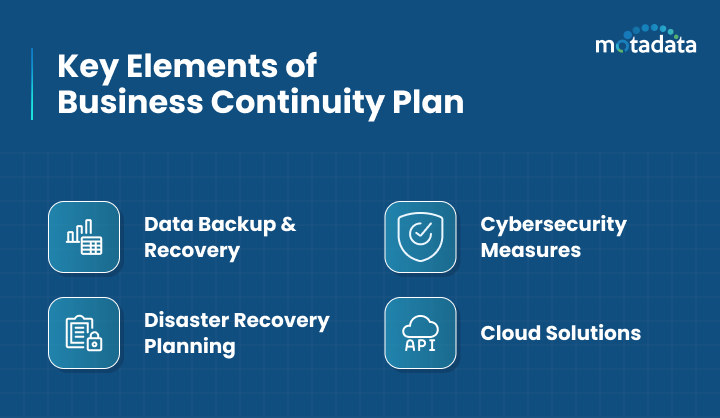
Data Backup & Recovery: Keeping copies of essential business data to restore quickly.
Disaster Recovery Planning: Preparing for IT system failures and minimizing downtime.
Cybersecurity Measures: Protecting systems from cyber threats like hacking, malware, and phishing.
Cloud Solutions: Storing and accessing data securely from anywhere to improve flexibility.
How Managed IT Services Support Business Continuity
24/7 Monitoring & Support
Managed IT services provide round-the-clock monitoring of your systems to detect and fix issues before they cause severe disruptions.
Regular Maintenance & Security Updates
Managed IT providers keep systems updated and secure, preventing vulnerabilities that hackers could exploit.
Data Backup & Disaster Recovery
A strong disaster recovery plan ensures that business data is always backed up and can be quickly restored if an issue occurs.
Compliance & Risk Management
Businesses in industries like healthcare and finance must follow strict data security rules. Managed IT services help ensure compliance with regulations like GDPR and HIPAA.
Strengthening Security with Cloud Solutions
Why Cloud Security Matters
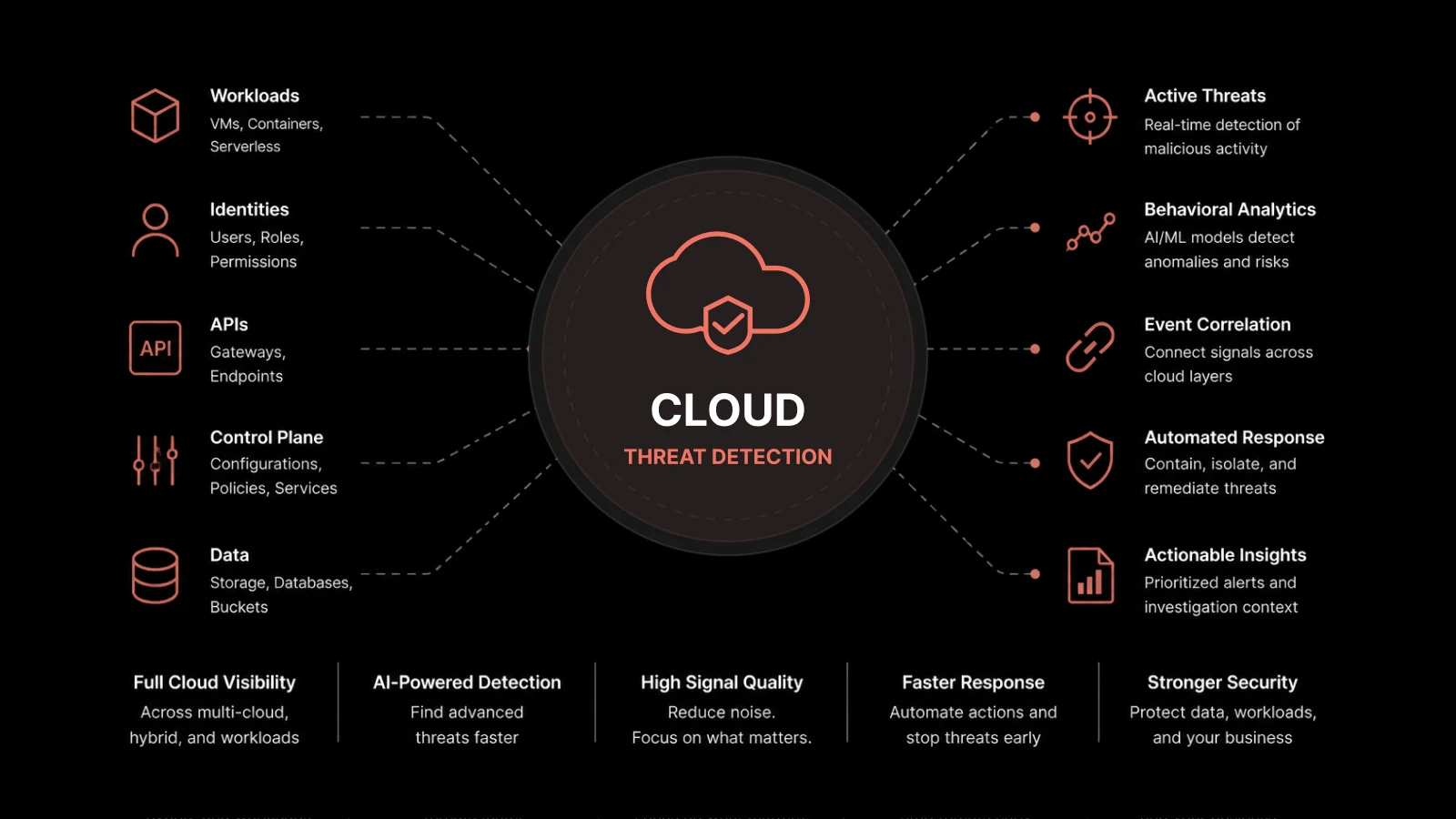
Cloud-based security solutions help businesses protect their data while allowing employees to access information safely from anywhere.
Features of Cloud Security
1. Data Encryption & Access Control
Keeps sensitive data protected with encryption
Ensures only authorized users can access critical files
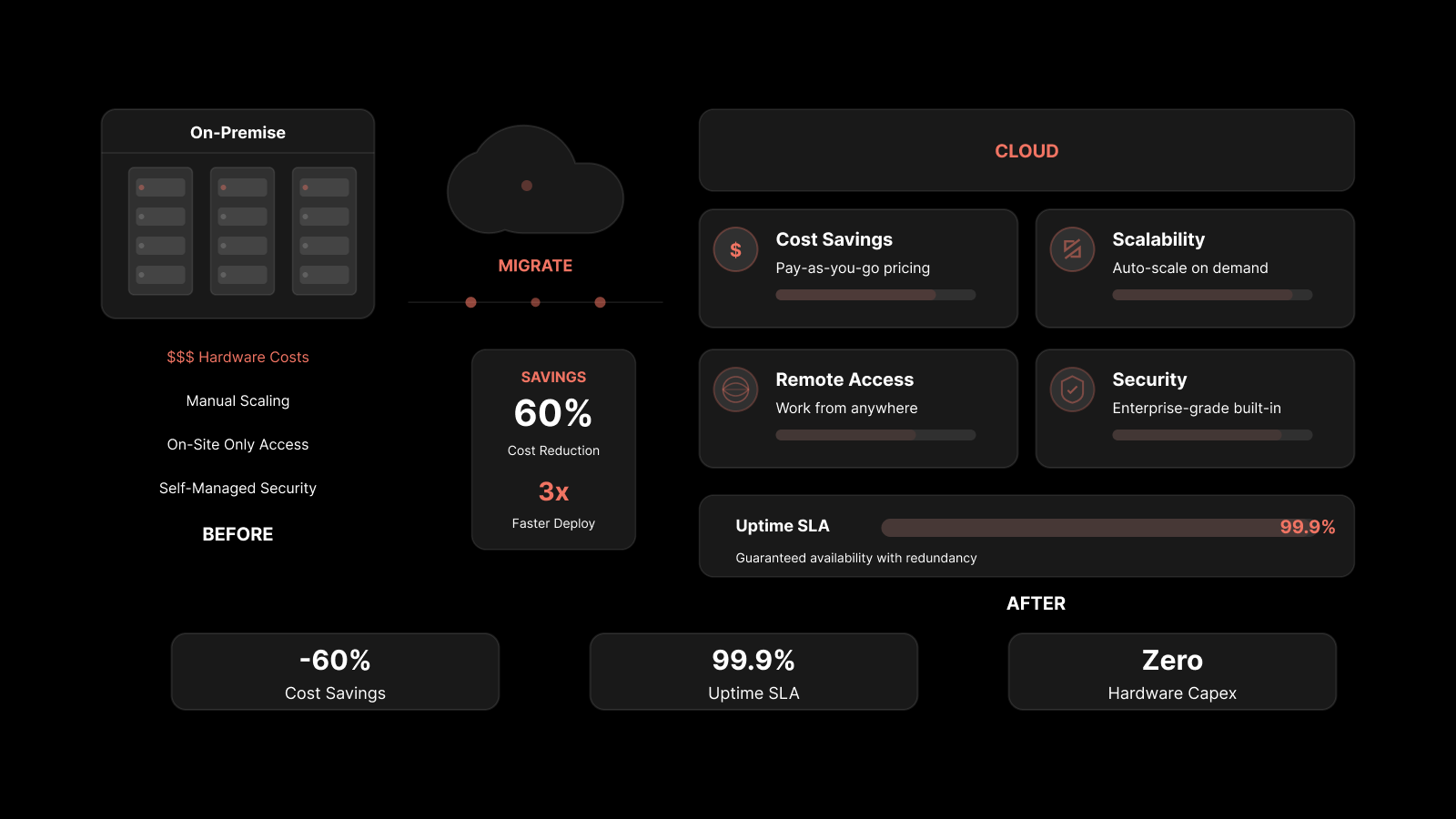
2. Scalability & Cost-Effectiveness
Allows businesses to expand or reduce IT resources as needed
Reduces the need for costly on-site hardware
3. Multi-Layered Protection
Use firewalls, intrusion detection, and antivirus tools to block cyber threats.
Employs artificial intelligence (AI) to detect suspicious activities
Benefits of Managed IT and Cloud Security
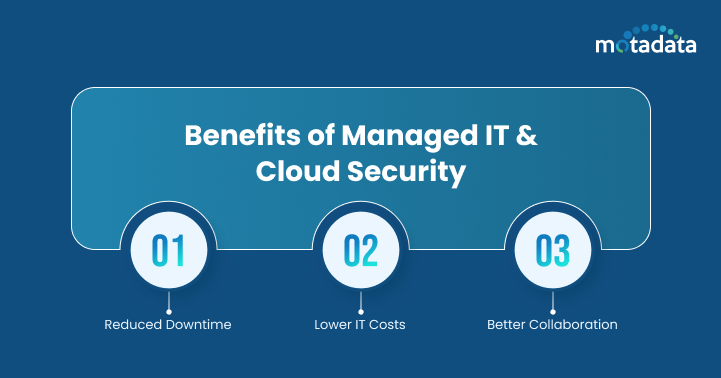
1. Reduced Downtime
System failures or cyberattacks can slow down or stop operations. With managed IT services, businesses can avoid disruptions and recover faster.
2. Lower IT Costs
Cloud security and managed IT services help companies cut costs on expensive hardware and IT staff.
Stronger Cybersecurity
Combining managed IT services and cloud security protects against ransomware, phishing, and data breaches.
3. Better Collaboration
Cloud solutions make it easy for employees to securely access and share files, improving teamwork—especially for remote teams.
Best Practices for Implementing Managed IT & Cloud Security
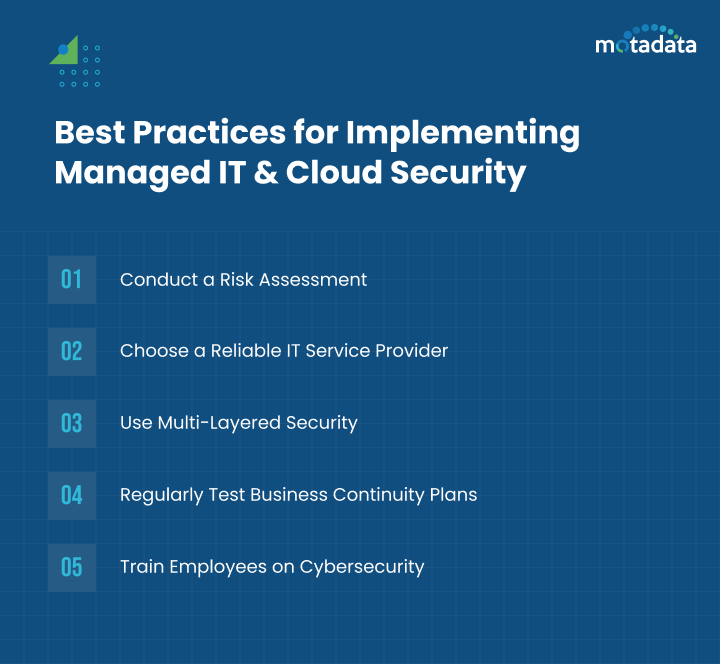
1. Conduct a Risk Assessment
Identify weaknesses in your IT system and develop strategies to address them.
2. Choose a Reliable IT Service Provider
Partner with a trusted managed IT provider specializing in security and disaster recovery. One excellent option is a provider of expert IT solutions. Businesses in Riverside looking for IT support can also consider this managed service provider for local expertise.
3. Use Multi-Layered Security
Protect your data with firewalls, strong passwords, encryption, and regular updates.
4. Regularly Test Business Continuity Plans
Simulate potential disasters and update your plans based on test results.
5. Train Employees on Cybersecurity
Educate staff on recognizing phishing emails, using strong passwords, and following security protocols.
Conclusion
Ensuring business continuity is crucial for long-term success. Managed IT services and cloud security solutions help businesses stay secure, minimize downtime, and recover quickly from disruptions.
By adopting these strategies, companies can protect their data, improve security, and operate smoothly no matter what challenges arise.
To strengthen your business continuity plan, consider partnering with a reliable IT service provider to enhance your IT security and recovery strategies.
FAQs
What is the primary purpose of managed IT services?
Managed IT services provide proactive monitoring, maintenance, and support to keep business IT systems running smoothly. They help prevent downtime, enhance security, and offer disaster recovery solutions.
How does cloud security improve business continuity?
Cloud security ensures that business data is protected from cyber threats, encrypted, and accessible from anywhere. It allows companies to recover quickly from disruptions and ensures that remote employees can work securely.
What are the common risks to business continuity?
Common risks include cyberattacks, hardware failures, power outages, human errors, and natural disasters. A solid business continuity plan helps mitigate these risks.
How often should businesses update their business continuity plan?
It is recommended that the business continuity plan be reviewed and updated at least once a year or whenever there are major changes in IT infrastructure , security threats, or business operations.
Is cloud security more cost-effective than traditional security methods?
Yes, cloud security reduces the need for expensive on-site infrastructure, lowers IT maintenance costs, and provides scalable security solutions that adapt to business growth.
Author
Arpit Sharma
Senior Content Marketer
Arpit Sharma is a Senior Content Marketer at Motadata with over 8 years of experience in content writing. Specializing in telecom, fintech, AIOps, and ServiceOps, Arpit crafts insightful and engaging content that resonates with industry professionals. Beyond his professional expertise, he is an avid reader, enjoys running, and loves exploring new places.